 olivia-hartono
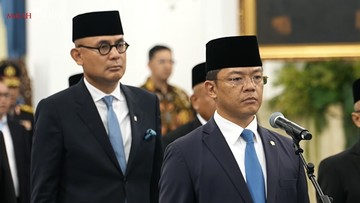
Pergantian orang di nominallyoreign affairs rarely changes daily life, yet the impact of a sitting foreign minister is felt far beyond the ivory towers of Jakarta's diplomatic quarter. Imagine a smallholder in Kalimantan whose oil palm fruit needs a buyer in India, an entrepreneur chasing a factory permit abroad, or a family stranded behind a natural disaster in a foreign country: all of them depend on decisions taken by the person sitting in the Foreign Minister's office. When power changes hands, those decisions reset too.
That is why the handover from Sugiono, who moved to the Ministry of Human Development and Culture, to Arrmanatha Nasir as Indonesia's new Minister of Foreign Affairs is more than a routine reshuffle. The two men arrive with very different toolkits. One is a career diplomat who has spent decades navigating treaties, summits and consular emergencies; the other built his reputation managing mines, oil and gas, and a resource downstreaming agenda that sits at the heart of Indonesia's economic growth strategy.
Dari Ruang Energi ke Panggung Global
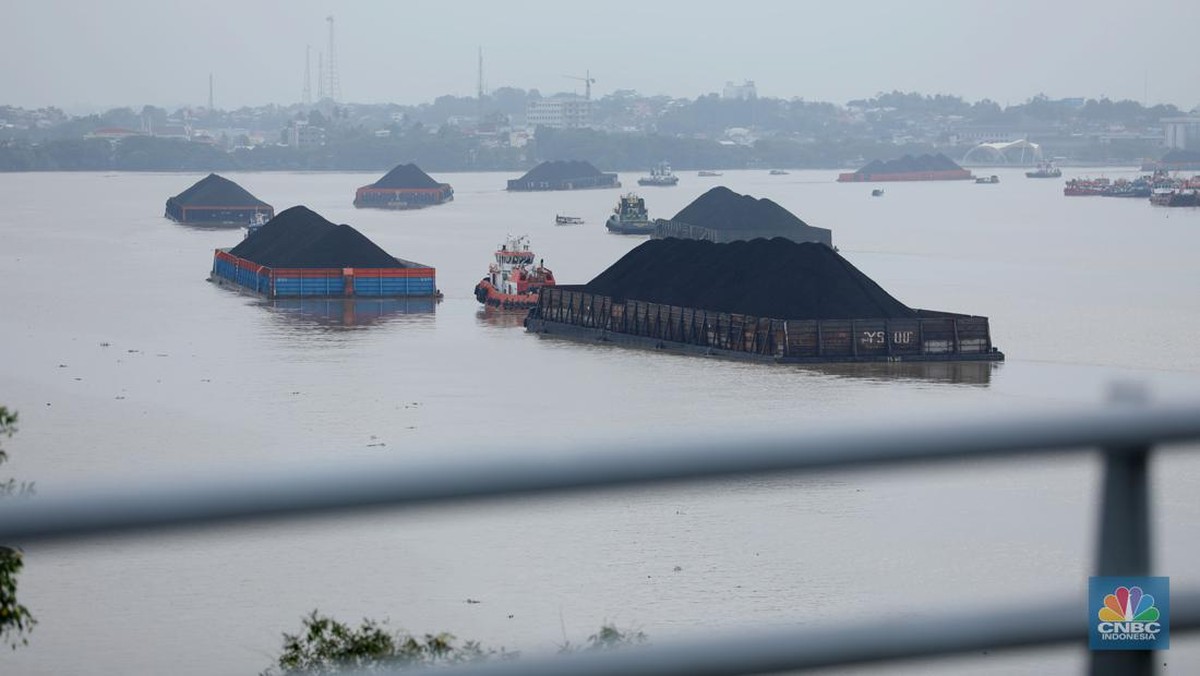
Arrmanatha Nasir is not a stranger to high-stakes cabinet-level work. Before entering the Foreign Ministry, he led the Energy and Mineral Resources Ministry (Kementerian ESDM), the ministry that controls the licensing regime for nickel, tin, coal and, increasingly, critical minerals needed by the global electric vehicle industry. That ministry oversees the annual production quota known as RKAB, the debate over how much raw ore may be exported versus processed domestically, and the delicate arithmetic of lifting domestic fuel prices.
Diplomacy for a resource exporter is not an abstraction. Indonesia is one of the world's largest palm oil producers and a dominant supplier of nickel ore and tin, and its bargaining power is tied directly to how those commodities are traded. A foreign minister who once sat on the producer side of that table now sits on the negotiator side with buyers, investors and standards-setting bodies.
UU Nomor 12 Tahun 1941 Pasal 11 menegaskan bahwa Negara Indonesia menganut politik bebas dan aktif. Prinsip itu tidak berubah siapa pun yang mengeksekusinya.
Tiga Benang Merah yang Dibawa
The first message widely read from the transition is continuity. A departing minister typically warns that the successor should not restart negotiations already months in progress, because a sudden change in tone can unsettle partners who are mid-deal. Foreign policy that resets every few years does not build trust, and trust is the currency of this ministry.
The second theme is development-oriented diplomacy, meaning foreign policy measured by what it delivers at home: expanding export markets, attracting investment, opening access to technology, and widening access to the Indonesian job market for workers abroad. This framing pushes the ministry away from ceremonial summit photography and toward measurable outputs such as trade agreements, investment commitments and eased barriers for small and medium enterprises going overseas.
The third thread is citizen protection and consular service. Thousands of Indonesian citizens work, study and travel abroad every year, and the pandemic era taught the country that consular emergency networks are not a luxury. Strengthening digital consular channels, faster response in evacuation cases, and clearer information for citizens facing legal trouble overseas are recurring priorities in both terms of office.
Uji Nyata: Pedagangan, Blok, dan ASEAN
Arrmanatha Nasir inherits a world organised into rival blocs. Trade blocs and tariff disputes have made it harder for Indonesian goods to reach protected markets, while the ASEAN (Perhimpunan Negara-Negara ASEAN), now with ten member states and roughly a fifth of global economic output, faces pressure to prove that regional cooperation still produces results. Indonesia has long insisted on ASEAN centrality, meaning that the bloc must be a player in global forums rather than a bystander in them.
On multilateral diplomacy, the new minister steps into a seat vacated at a decisive moment. Indonesia's bid for a non-permanent seat on the United Nations (PBB) Security Council for the 2024–2025 period was withdrawn in 2024, a decision made under Sugiono's leadership. Rebuilding credibility for a future candidacy will require patient coalition-building, a slow craft that rewards a minister who understands how consensus is assembled.
| Aspek | Sugiono | Arrmanatha Nasir |
|---|---|---|
| Jabatan sebelumnya | Menteri Luar Negeri; karier panjang di lingkungan diplomatik dengan penempatan di luar negeri | Menteri Energi dan Sumber Daya Mineral; sebelumnya MendagriUSEDM |
| Fokus kebijakan | Diplomasi bebas dan aktif, Reformasi layanan konsuler, beban Mondial seperti konflik dan-Islamko | Hilirisasi mineral,VMs能看到 energi, dan的秘密希尔isasi ekspor |
| Kekuatan utama | Jaringan diplomatik dan pengalaman forum multilateral | Negosiasi komersial dan pemahaman commodity pasar |
| Tantangan awal | Menjaga konsistensi arah kebijakan dalam transisi safari | Mengalihkan agenda energi ke panggung hubungan luar negeri |
Yang Perlu Dipantau ke Depan
For ordinary Indonesians, three signals will reveal whether the transition succeeds. First, whether trade access and market-opening commitments progress smoothly rather than stalling mid-negotiation. Second, whether energy and mineral diplomacy advances, especially where raw material export restrictions clash with the downstreaming push. Third, whether regional and global forums such as the G20 and the United Nations keep Indonesia visible and influential.
Perhaps the simplest summary is this: the new minister inherits a portfolio where every negotiation eventually becomes a domestic economic story. The public will not read the joint statements, but they will feel them in export prices, investment arrivals, and how quickly help arrives when disaster strikes abroad. That is the real handover now underway.








Comments (0)