 suwandi-tan
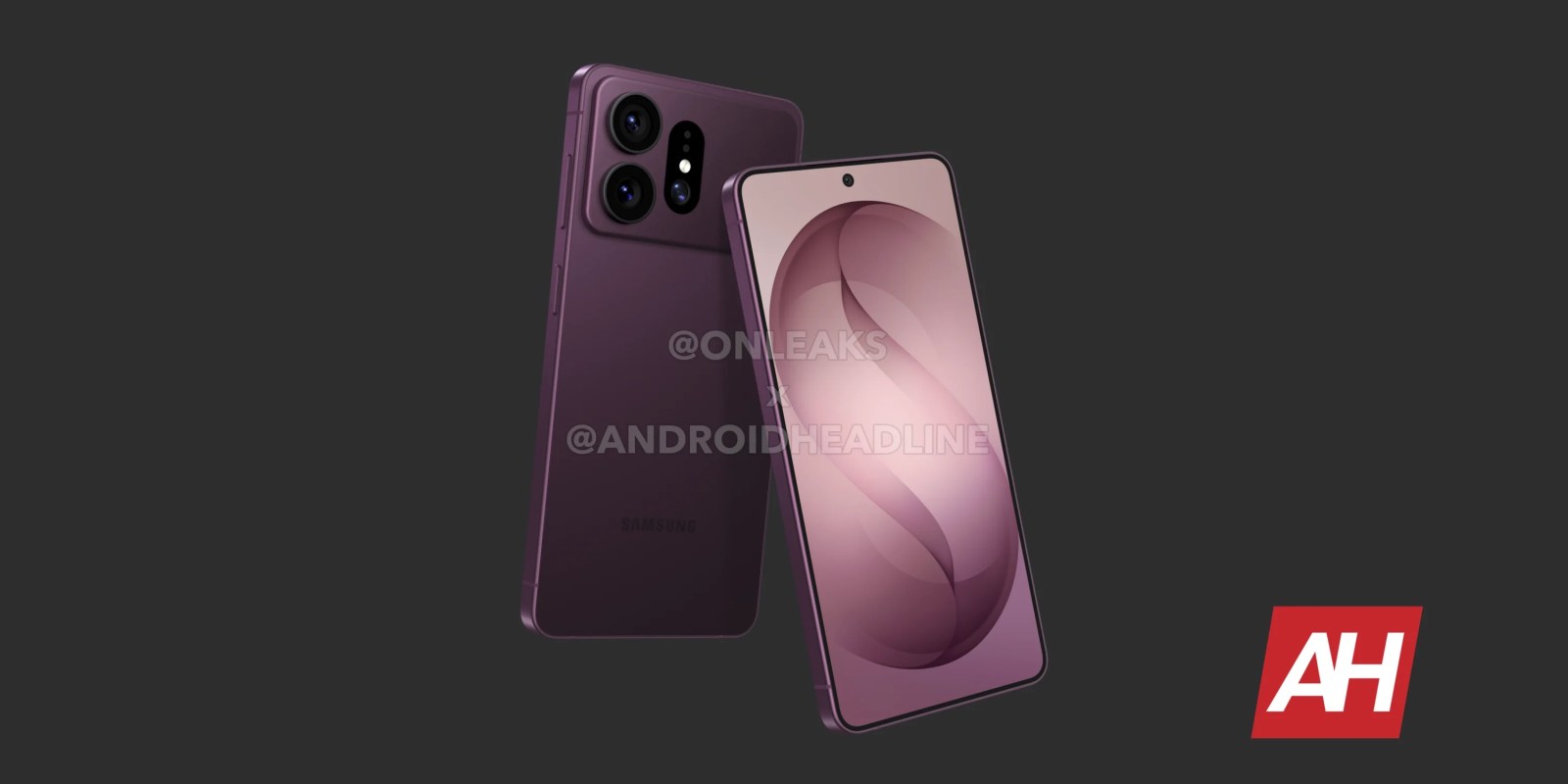
Hampir semua rumor yang beredar tentang Galaxy S27 Ultra Steering talk about cameras, chips, and battery. Yet the leak that just circulated is about something far simpler: color. A list of available finishes for Samsung's flagship apparently leaves out Purple, a shade that has become almost a tradition in recent Galaxy lineups. On the surface it sounds trivial, but color is precisely the detail that decides whether a Rp15-juta phone matches a user's style, whether limited editions sell out in minutes, and whether a device keeps its value when resold a year later. For Samsung, color is not decoration. It is a marketing and manufacturing strategy.
Why the Purple Decision Matters More Than It Looks
Think of color in a smartphone the way you think about paint on a car. Nobody buys a car because of the engine's compression ratio alone; they pick the finish first, then worry about performance. Samsung follows the same logic. Purple, in particular, has been the brand's signature flex since the era of Bora Purple, a hue co-developed with Pantone, the American color-standard authority whose color-matching system is now used across industries from fashion to printing. When Samsung highlights a specific Pantone-verified shade, it borrows the aura of a fashion house for a device that costs more than most laptops.
Removing Purple from the lineup therefore reads as a deliberate repositioning. It may signal that the S27 Ultra is aiming at a more conservative, business-leaning audience, or it may simply mean production costs, coating durability, or supply constraints changed. The Galaxy S27 Ultra, for readers who are new to Samsung naming, is the top-tier variant of the Galaxy S series, the company's flagship phone line, sitting above the standard and Plus models.
Color in a flagship is not cosmetic. It is the first thing a buyer sees, the thing they photograph, and the thing they regret if it scratches or fades within six months.
That last point is the quiet industrial issue. Premium colorways often require different surface treatments than a standard finish: matte coatings, special glass etching, or anodized metal frames. Each process adds yield loss in the factory, and yield loss shows up in the price list. So a color disappearing can be a clue about manufacturing, not just taste.
What the Leaked List Actually Shows
The circulating information reportedly lists the color options expected for the Galaxy S27 Ultra, and Purple is nowhere on it. Based on Samsung's recent track record, buyers should expect a core set of neutral finishes: black, white, gray, and blue, with the gray and titanium-style tones continuing to anchor the premium look. Green and yellow shades have appeared as store-exclusive or online-exclusive options since the Galaxy S24 generation, which introduced titanium frames and a wider palette than earlier models.
Exclusive colors work as a two-edged tool. They make the standard lineup feel restrained while creating scarcity that drives impulse purchases, similar to how a limited sneaker drop manufactures urgency. Historically, Samsung has used online-exclusive colors to push consumers toward direct channels, where margins are higher and trade-in programs are easier to bundle.
Can Algorithms Predict the Final Palette?
Curious readers often ask whether the final color list can be guessed before launch. Analysts have tried, using machine learning (a technique where a model learns patterns from historical data to make predictions) trained on a decade of release cycles, regional sales data, and social media chatter. The honest answer: partial success at best. Models can reasonably flag which neutrals will return, because neutral finishes have dominated every generation. They perform poorly on exclusive shades, because those are deliberately designed to be unannounced and short-run.
| Generation | Dominant color direction | Notable signature shade |
|---|---|---|
| Galaxy S22 Ultra | Bold and fashion-forward | Bora Purple, Pantone co-developed |
| Galaxy S24 Ultra | Premium neutrals with online exclusives | Orange and Green as exclusives |
| Galaxy S25 Ultra | Refined, low-saturation tones | Pink and silver variants |
| Galaxy S27 Ultra (rumored) | Conservative, business-leaning | Purple reportedly absent |
As the table shows, the pattern is not linear. Samsung rotates between loud and restrained every few years, so today's absence of Purple says little about the S28. What it does suggest is continuity: the neutral core remains the backbone of the Ultra identity.
What Fans Should Watch Before Spending
The reliable path is Samsung's own Unpacked event, where the company publishes official renders, complete color names, and pre-order dates. Official naming matters more than it sounds, because retailers and insurers often use those exact names in damage claims and resale listings. A finish that is only sold online also means no physical swatch to inspect beforehand, which is a real drawback when deciding between matte and glossy surfaces.
Practical advice: wait for hands-on footage rather than leaked renders, check regional availability of exclusive colors, and treat the leaked list as a strong hint rather than a guarantee. Samsung has changed palettes before and will likely do so again. What is certain is that innovation in this industry is no longer only about processors and cameras. Increasingly, it also lives in the coating layer, the pigment supply chain, and the decision of which color to leave out.











Comments (0)